
Missed doses: why it happens and how to stop forgetting your medication
A missed dose on a long-term treatment is never trivial. The most common causes, the right reflexes, and free reminders in the Yadoct app.
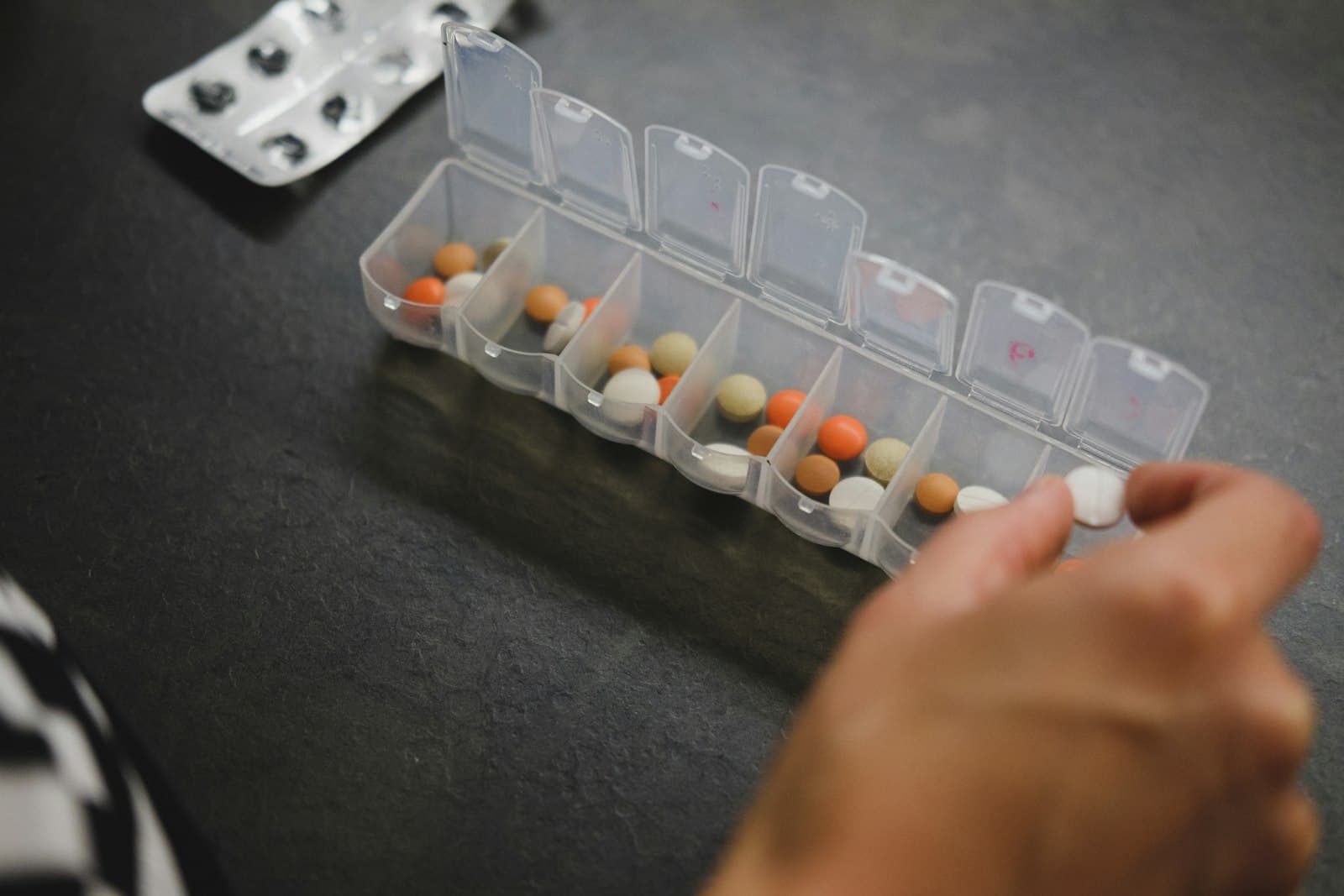
Everyone has found the morning pill still in its blister pack at night. Worldwide, the World Health Organization estimates that about one chronic patient in two does not take their treatment as prescribed — a problem widespread enough that it devoted a landmark report to it. In Algeria, where diabetes and high blood pressure affect millions, every missed dose counts. Here is why we forget, and how to organise yourself so it stops happening.
Why we forget our treatment
Rarely out of carelessness. The most frequent causes: a disrupted routine (travel, guests, shifting work hours), several medicines at different times, a treatment whose effect you cannot feel — typically the case with high blood pressure, which does not hurt — or simply the fatigue of long-term treatment. Identifying your own cause is already half the solution.
A missed dose: the only right reflex
There is no universal rule: the right course depends on the medicine, the time and your situation. So the safe reflex is always the same: do not improvise — never double a dose on your own initiative — and ask your pharmacist or doctor what to do for that specific medicine. At night or on a Friday, the duty pharmacist can advise you: our guide explains how to find the duty pharmacy near you.
Pill organiser, alarm or app?
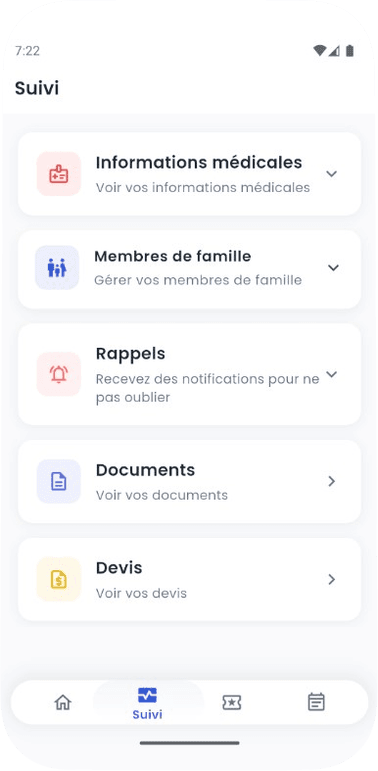
The three tools complement each other. A weekly pill organiser lets you prepare the week and see at a glance whether today's dose is taken. A phone alarm is simple but silent on what matters: it rings without saying which medicine, and keeps no record. A dedicated app goes further: one reminder per medicine, at the right times, with a history of doses taken. That is exactly what Yadoct's medication reminders feature offers, free in the app.
Ramadan and long-term treatment: plan ahead
Every year, Ramadan reshuffles the schedules of millions of patients. Some treatments can be reorganised around iftar and suhoor, others must not be — and only your doctor can say which applies to you. The right time to discuss it is before the month starts, in a dedicated consultation. Our article on Ramadan and health covers the topic; on the practical side, the app's reminders can be reprogrammed in two minutes to the new times agreed with your doctor.
Frequently asked questions
I missed a dose — should I double the next one?
Never on your own initiative. Call your pharmacist or doctor: the right course depends on the medicine.
Is a medication reminder app free in Algeria?
Yes: medication reminders are a free feature of the Yadoct app, in French and Arabic.
How do I manage several treatments at once?
One reminder per medicine, each at its own time, rather than a single alarm. Your pharmacist can also help you organise doses across the day.
Can I take my medicines during Ramadan?
That is a question for your doctor, to ask before the fasting month: some regimens can be adapted, others cannot, and the answer depends on your treatment and your health.
Put the odds on your side: switch on your medication reminders in the Yadoct app, and stay in touch with your family doctor for renewals.
This article is published for general information and is not a substitute for a medical consultation. If you have any doubt about your health or your child’s, see a doctor.
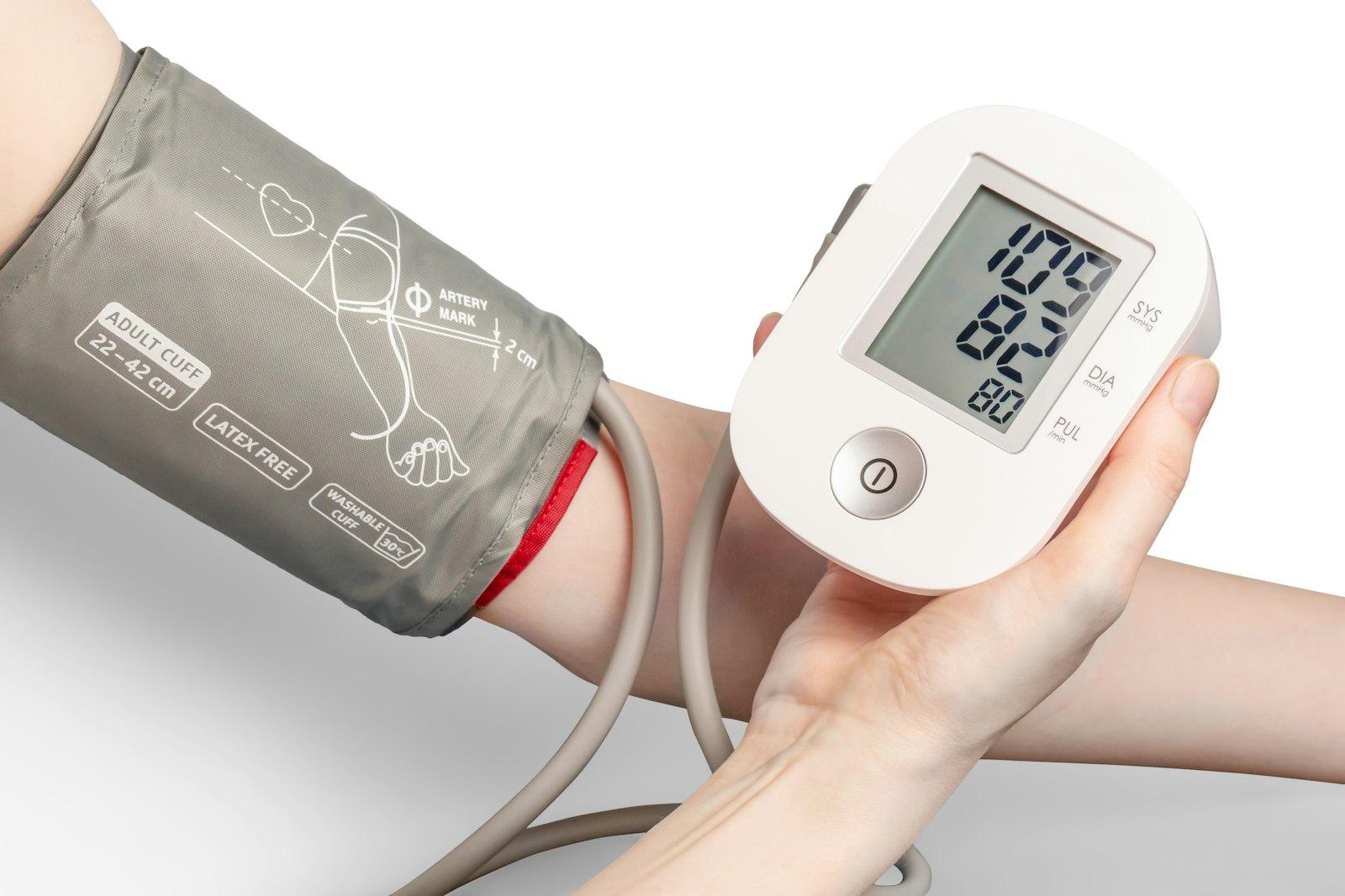
Blood pressure: understanding your numbers and following up on hypertension in Algeria
One Algerian adult in four has high blood pressure, most without regular follow-up. What your numbers mean and why regular check-ups change everything.

Back to school 2026 in Algeria: medical certificate, vaccines and your child’s health check
Medical certificate, vaccination record, eye and dental check: the back-to-school health checklist for parents in Algeria, and how to book before the September rush.
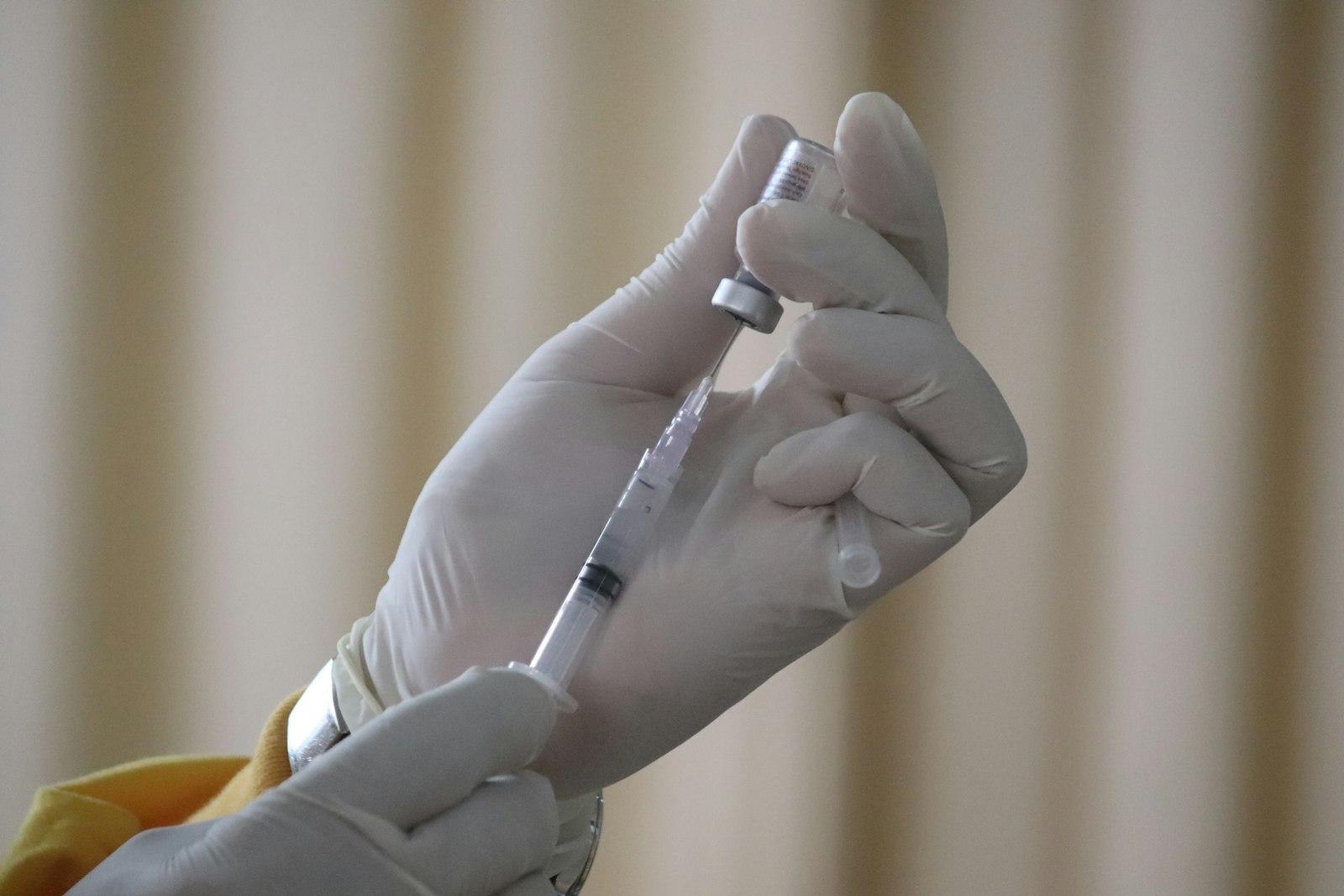
Seasonal flu 2026-2027 in Algeria: who should get vaccinated and when
Algeria’s national flu vaccination campaign starts every autumn. Priority groups, the best time to get the shot, where to get it and when to see a doctor: the essentials before winter.
Looking for a Doctor? Book your appointment and experience priority care.


All your health needs, in one place