Ramadan and Health: Fasting Without Endangering Yourself
Diabetes, hypertension, daily treatments: how to approach the month of Ramadan with peace of mind, and which signs should lead you to break the fast.

Every year, millions of Algerians fast during the month of Ramadan. For most people the fast goes smoothly. But for those living with a chronic disease or on daily treatment, it needs preparing — and that preparation starts at the doctor's.
Before Ramadan: the consultation that changes everything
If you have diabetes, hypertension or kidney disease, are pregnant or on long-term treatment, see your doctor a few weeks before the month begins. They will assess whether fasting is compatible with your condition and, above all, adapt the timing and doses of your medication. Never reschedule a treatment on your own: a medicine taken at the wrong time can lose its effect — or become dangerous. Consider booking that consultation online before the rush of the last days of Sha'ban.
Eating well between iftar and s'hour
- Break the fast gradually: dates and water, then the chorba a few minutes later — the stomach is coming out of long hours of rest.
- Avoid too much fried food (bourek, very fatty dishes), which brings heaviness and heartburn.
- Do not skip s'hour: it is what carries you to maghreb. Favour slow-digesting foods and drink enough.
- Hydrate in small amounts throughout the evening rather than all at once.
Signs that require breaking the fast
Religion itself exempts the sick person whose condition demands it. Break the fast and seek care quickly in case of: faintness with sweating and shaking (hypoglycemia), intense thirst with confusion, high fever, chest pain or difficulty breathing. In an emergency, call the SAMU (16) or the Protection civile (14).
During the month: keep the link with your doctor
Many practices adapt their hours during Ramadan. If a doubt arises — unstable blood sugar, rising blood pressure, an unusual side effect — a teleconsultation gets you medical advice without waiting for the month to end.
On daily treatment with Ramadan approaching? Book an appointment with your doctor now: a few minutes of consultation beat a month of doubts.
Frequently asked questions
Can you fast during Ramadan if you have diabetes or are on treatment?
Your doctor will assess whether fasting is compatible with your condition: see them a few weeks before the month begins so they can adapt the timing and doses of your medication. Never reschedule a treatment on your own, and consider booking that consultation online before the rush of the last days of Sha'ban.
How do you break the fast without upsetting your stomach?
Break the fast gradually: dates and water, then the chorba a few minutes later. Avoid too much fried food such as bourek, which brings heaviness and heartburn, and hydrate in small amounts throughout the evening.
Which symptoms mean you should break the fast?
Break the fast and seek care quickly in case of faintness with sweating and shaking (hypoglycemia), intense thirst with confusion, high fever, chest pain or difficulty breathing. In an emergency, call the SAMU (16) or the Protection civile (14).
What should you do if you have a health doubt during Ramadan?
If a doubt arises — unstable blood sugar, rising blood pressure, an unusual side effect — a teleconsultation gets you medical advice without waiting for the month to end.
This article is published for general information and is not a substitute for a medical consultation. If you have any doubt about your health or your child’s, see a doctor.
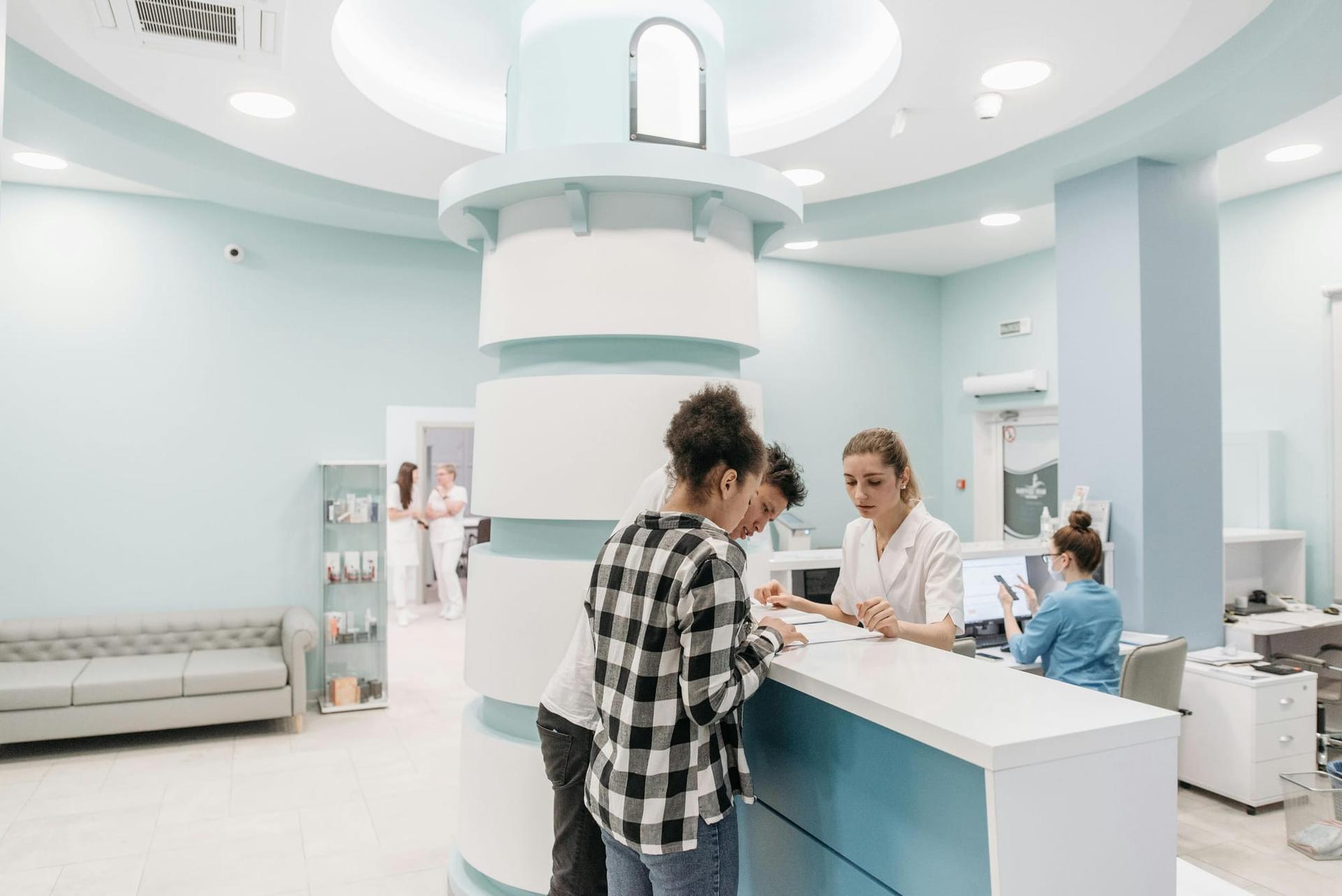
Childhood Vaccination in Algeria: The Parents' Guide
Vaccination schedule, health record, fever after the shot, catching up after a delay: what every parent in Algeria should know about vaccination.

Doctor appointment booking platform in Algeria: how to list your practice on Yadoct
What a doctor booking platform does for a practice in Algeria, what Yadoct is, how to register, how requests are confirmed, the cost — and how patients book.

How to attract more patients to your medical practice in Algeria: 7 levers that work
A public page, a Google listing, online booking, reminders, a remote queue, an opening announcement and word of mouth: 7 levers to grow a practice in Algeria.
Looking for a Doctor? Book your appointment and experience priority care.

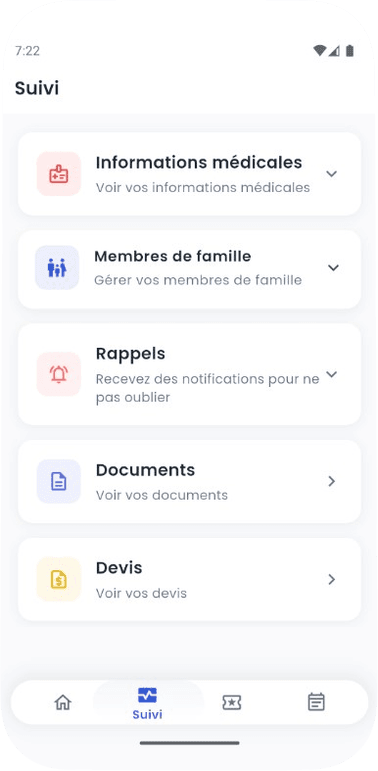

All your health needs, in one place