
Blood pressure: understanding your numbers and following up on hypertension in Algeria
One Algerian adult in four has high blood pressure, most without regular follow-up. What your numbers mean and why regular check-ups change everything.
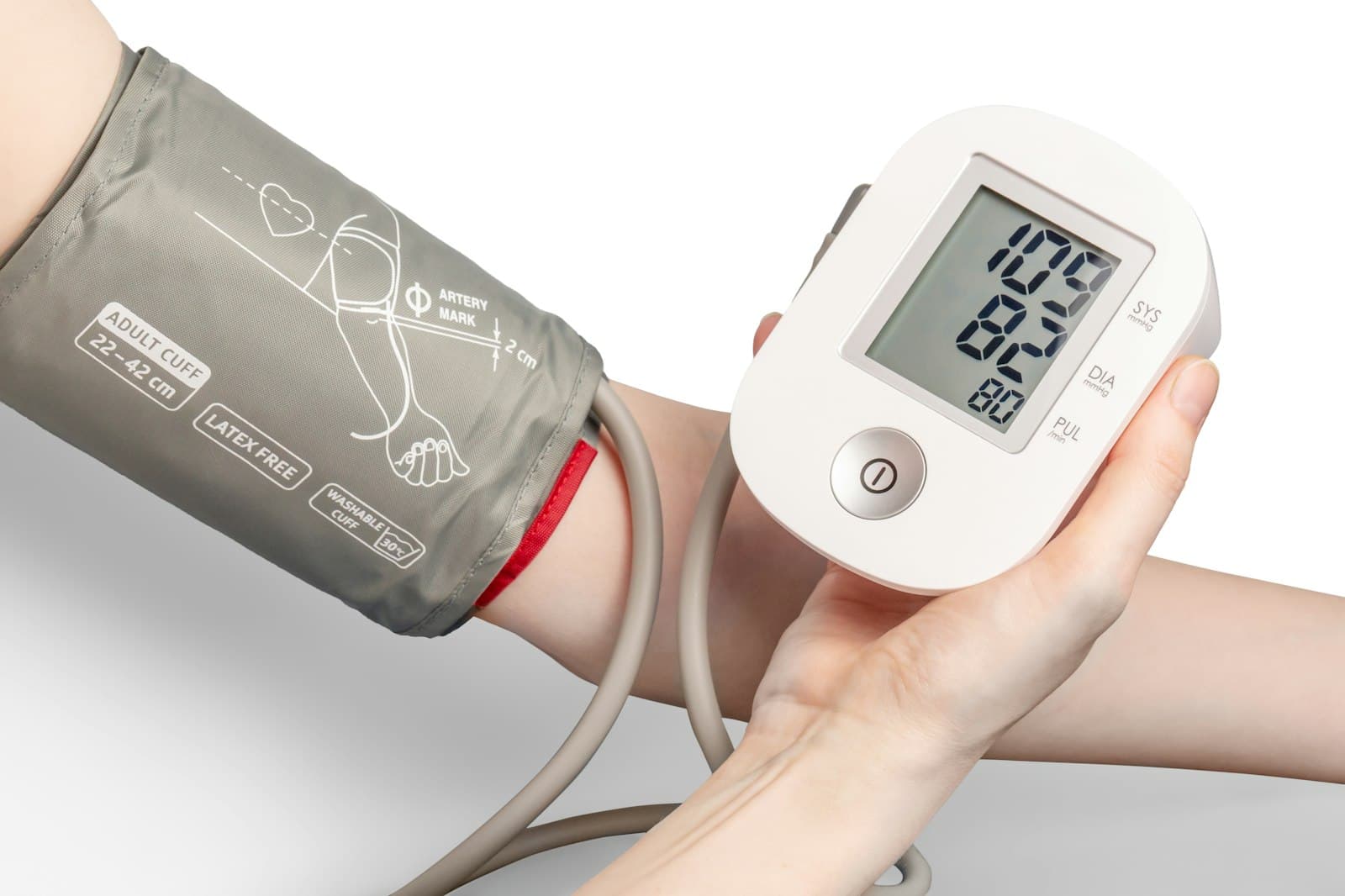
High blood pressure does not hurt and cannot be seen — which is exactly what makes it dangerous. In Algeria, the national STEPwise survey conducted with the World Health Organization found that about one adult in four has hypertension, and that the vast majority are not properly controlled, as reported by Reporters. It is also one of the country's leading reasons for consultation. Understanding your numbers and organising your follow-up is how you avoid the complications.
Two numbers, one message
A blood pressure reading gives two numbers: the pressure when the heart contracts (systolic, the big number) and when it relaxes (diastolic, the small one). The WHO defines hypertension as pressure that stays high across repeated measurements — never a single reading, which varies with stress, effort or even the doctor's presence. That is why interpreting your numbers, in your context and at your age, belongs to your doctor, not to a table found online.
In Algeria, common and under-followed
The national data are unambiguous: nearly a quarter of adults affected, more than seven in ten hypertensive patients insufficiently controlled, and many who know nothing about their blood pressure. The silent consequence plays out over years: the heart, brain, kidneys and eyes pay the price of unmonitored pressure. The only defence is simple and accessible: have your blood pressure measured regularly, even when you feel fine.
Home self-measurement, the consultation's ally
An automatic monitor, available at the pharmacy, lets you measure your blood pressure calmly, at the same times, and note the results. That log, brought to the consultation, is worth more than a single reading at the office: it shows your doctor your real day-to-day pressure. Ask your pharmacist for advice on choosing the device and measuring properly — position, rest, the right cuff size.
Regular follow-up, even when all is well
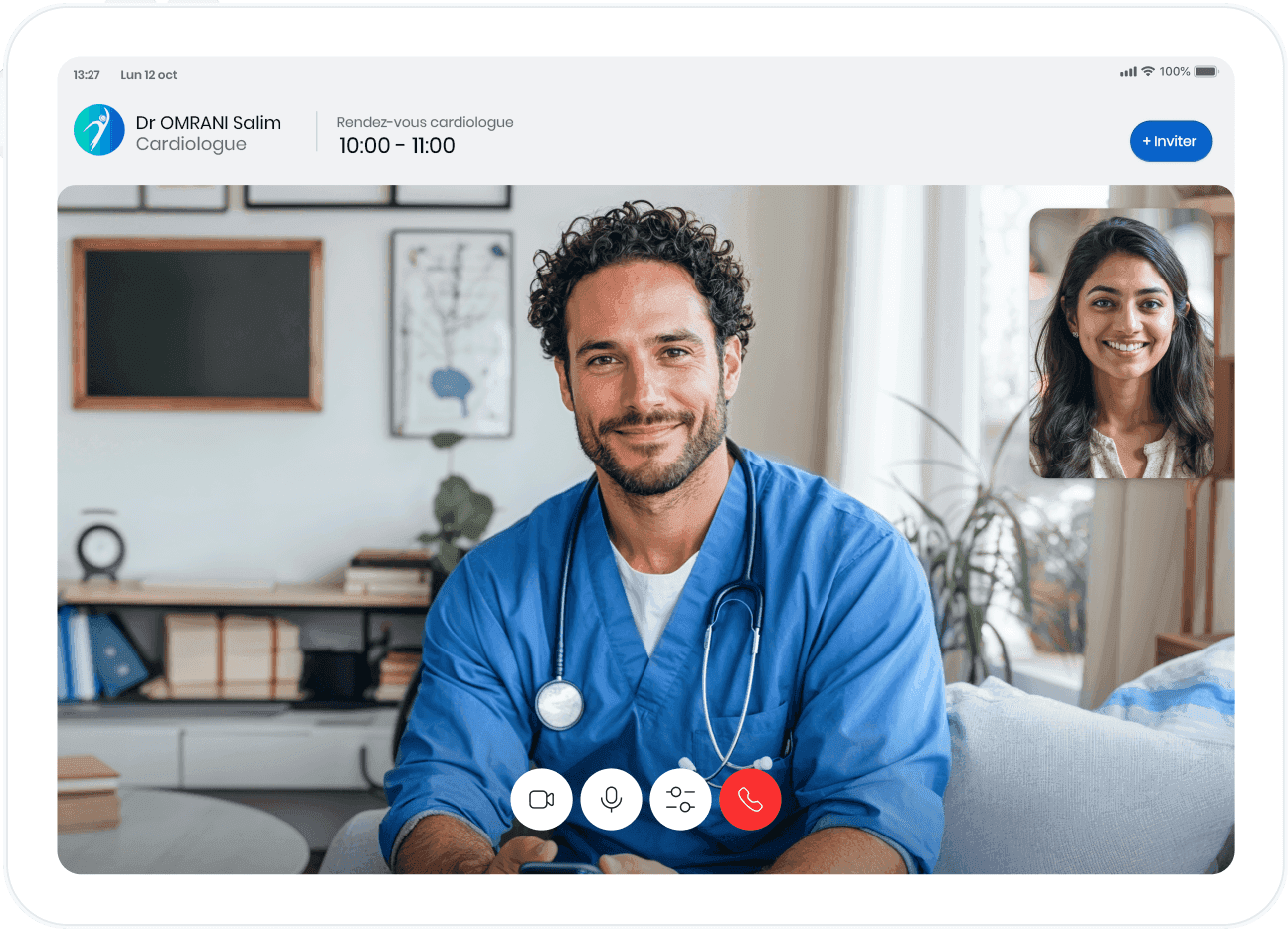
Hypertension is managed over time: check-up consultations, periodic tests, lifestyle adjustments. The exact frequency depends on your situation — your doctor sets it. What matters is not letting appointments slip: a general practitioner for routine follow-up, a cardiologist when your situation calls for one, both bookable online on Yadoct, on the web or in the app.
Never stop a treatment without medical advice
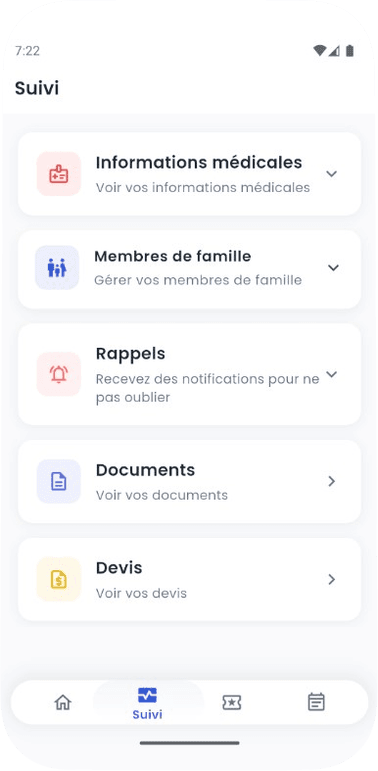
Feeling fine does not mean your blood pressure is back to normal: it is often a sign the treatment is working. Stopping or spacing out doses without medical advice exposes you to a silent return of hypertension. If forgetting is your weak point, Yadoct's medication reminders send a notification for every dose, free of charge.
Frequently asked questions
What blood pressure is considered normal?
International reference points exist, but they do not replace medical advice: interpretation depends on age, history and repeated measurements. Only your doctor can qualify your numbers.
Is 14/9 serious?
A single reading allows no conclusion. If your readings seem high or worry you, see a doctor: they will confirm with repeated measurements.
How often should a hypertensive patient see the doctor?
Your doctor sets the follow-up rhythm suited to your situation; the essential thing is to stick to it, even without symptoms.
Is hypertension covered at 100% by CNAS?
Only certain forms qualify for 100% coverage — the details are in our guide to the Chifa card and chronic illness.
A concrete next step: book a measurement and check-up with a doctor near you, and switch on your treatment reminders in the Yadoct app.
This article is published for general information and is not a substitute for a medical consultation. If you have any doubt about your health or your child’s, see a doctor.

Back to school 2026 in Algeria: medical certificate, vaccines and your child’s health check
Medical certificate, vaccination record, eye and dental check: the back-to-school health checklist for parents in Algeria, and how to book before the September rush.
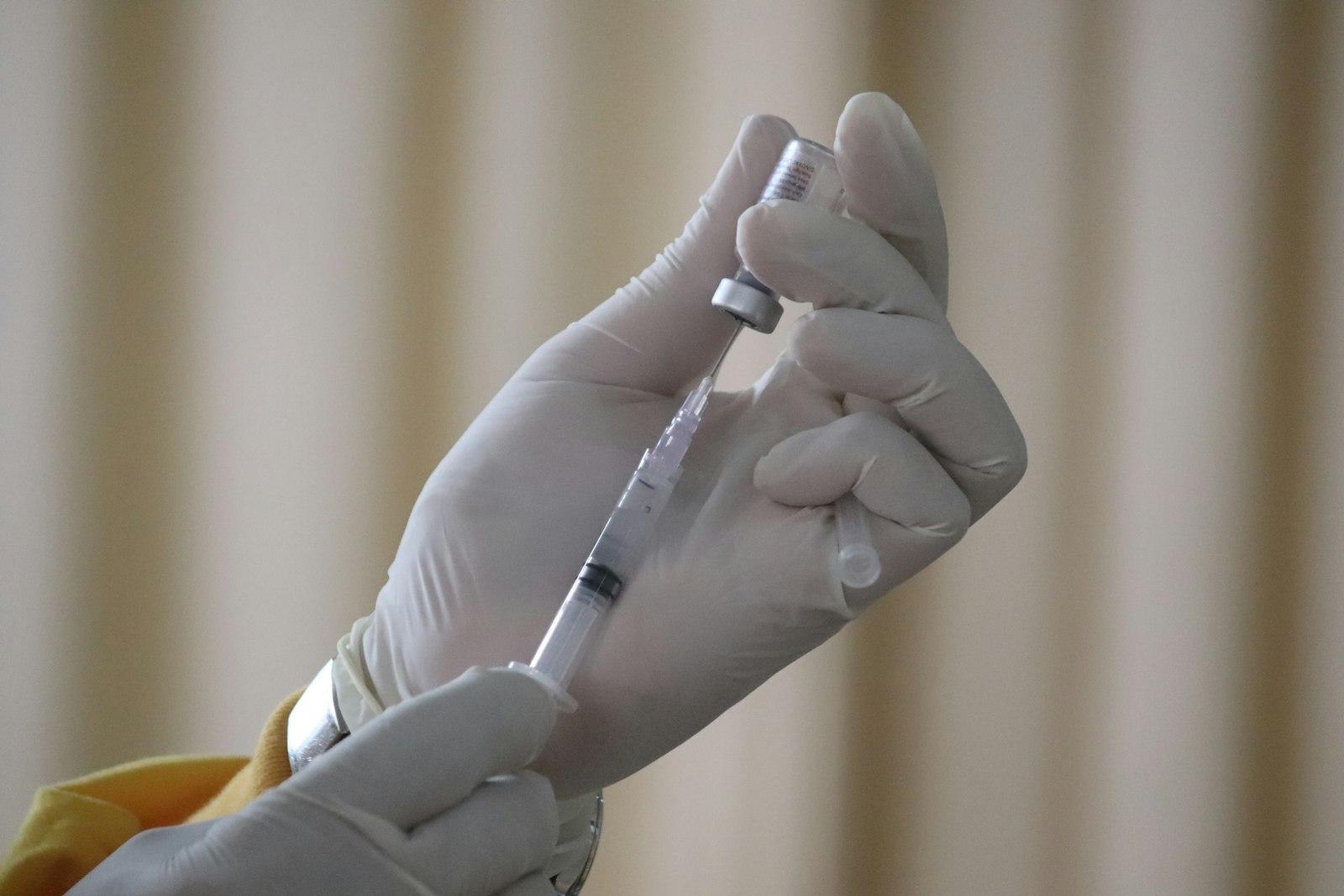
Seasonal flu 2026-2027 in Algeria: who should get vaccinated and when
Algeria’s national flu vaccination campaign starts every autumn. Priority groups, the best time to get the shot, where to get it and when to see a doctor: the essentials before winter.

How to Book a Doctor's Appointment Online in Algeria
No more unanswered phone calls and wasted trips: here is how to book a medical consultation in Algeria from your phone, in just a few minutes.
Looking for a Doctor? Book your appointment and experience priority care.

All your health needs, in one place