
Algeria's new 2026 vaccination schedule: what changes for your children
Algeria's vaccination schedule changed in 2026: HPV vaccine at 11-13, hexavalent shot, oral polio at 2 months. What changes, age by age, and where.
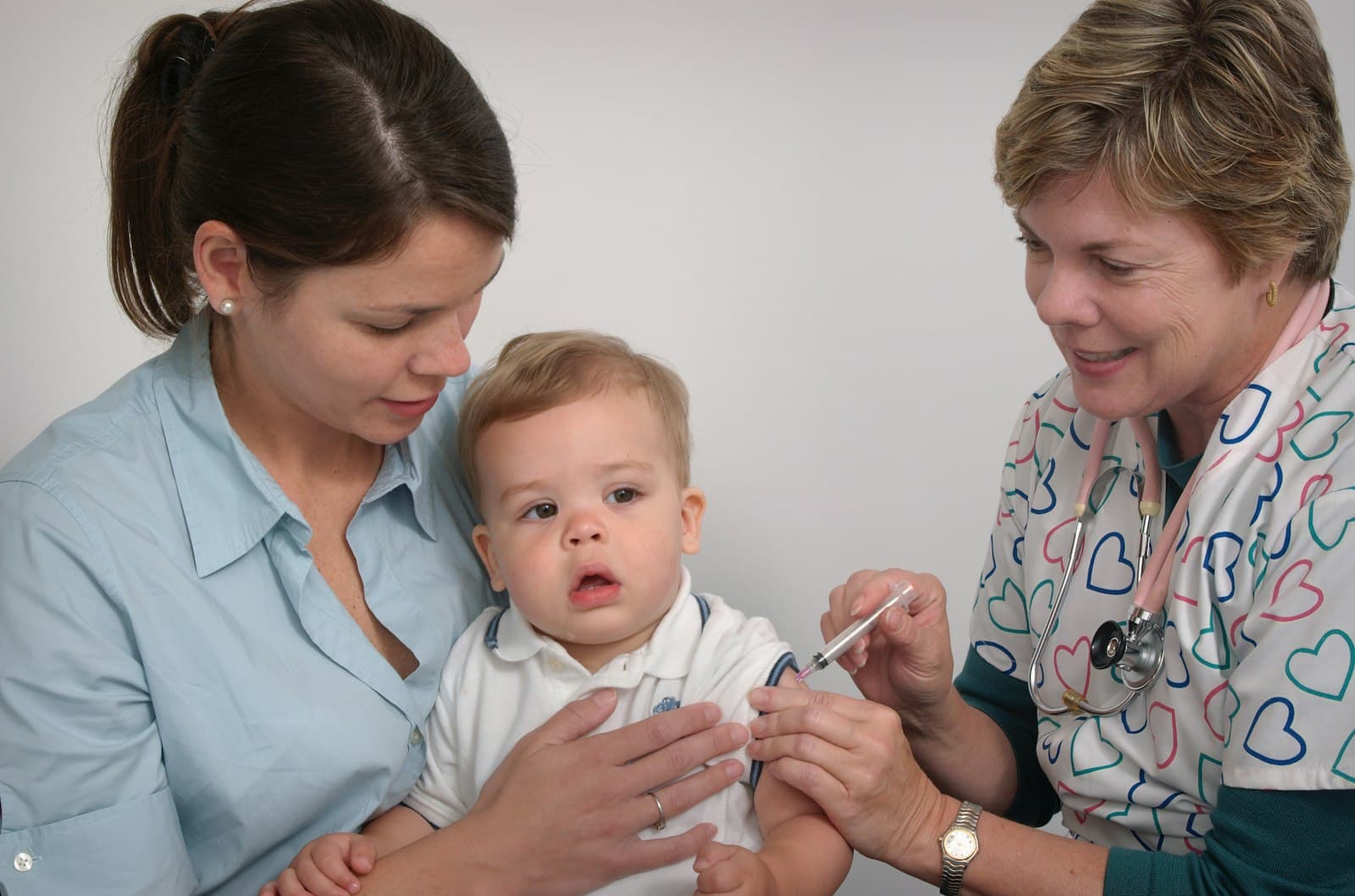
If your child's vaccination booklet was printed before spring 2026, it no longer tells the whole story. A new decree has amended Algeria's vaccination schedule, and the 2026-2027 school year brings a vaccine that is now mandatory for 11-to-13-year-olds. Here is what changes, concretely, for parents.
A new decree in the Official Journal
The mandatory vaccination schedule, in place since 2018, was revised by a decree published in Official Journal no. 36 of 28 April 2026. Three main changes, covered in detail by El Moudjahid: a hexavalent vaccine combining six antigens in a single injection, oral polio vaccine added from the age of 2 months alongside the injectable form, and a broader-spectrum pneumococcal vaccine.
HPV at 11-13: the big news of this school year
The most visible change for families: vaccination against human papillomavirus (HPV) becomes mandatory for schooled children aged 11 to 13, starting with the 2026-2027 school year — that is, now. The vaccine protects against viruses responsible, years later, for several cancers, including cervical cancer. If your child is in that age group, the school and your doctor will guide you through the practical steps; do not hesitate to bring your questions to your paediatrician or family doctor.
What changes for infants
For babies, the hexavalent shot combines diphtheria, tetanus, whooping cough, hepatitis B, Haemophilus influenzae b and injectable polio in one injection, given at 2, 4 and 12 months: fewer needles for the same protection. Oral polio is now added from 2 months. The rest of the schedule's architecture remains familiar: BCG, hepatitis B and polio at birth, measles-rubella at 11 and 18 months, boosters at 6, 11-13 and 16-18 years, then a diphtheria-tetanus booster every ten years in adulthood.
The full schedule, age by age
Rather than copying a table that will age, use our interactive Algerian vaccination calendar: it reflects the decree in force and automatically works out your child's next vaccines from their date of birth. Beware of schedules found through random searches: most French-language sites describe the French schedule, which differs from Algeria's on important points (ages, BCG, which vaccines are included).
Where to vaccinate, and what to do about delays
Vaccines on the national programme are free in public health facilities — polyclinics, care units, mother-and-child (PMI) centres — as UNICEF Algeria notes. A late vaccine is almost never a catastrophe: catch-up schedules exist, and your doctor or the PMI will set one. The same goes for a lost booklet: go back to the centre where the child was vaccinated, which keeps a record of the injections.
Frequently asked questions
Is the HPV vaccine mandatory in Algeria?
Yes: the new schedule makes it mandatory for schooled children aged 11 to 13, starting with the 2026-2027 school year.
Is childhood vaccination free?
Yes, under the expanded programme on immunisation, in all public health facilities.
My baby has a fever after a vaccine — what should I do?
A reaction within 48 hours is common. Do not give anything on your own initiative: ask your doctor or pharmacist, and seek care promptly if your child's condition worries you, especially under 3 months.
A vaccine was missed — do we start over?
No. In most cases a catch-up is enough — your doctor will define the schedule suited to your child's age.
To stop missing vaccination appointments, work out the next due dates on the interactive calendar and book a paediatrician near you on the Yadoct website or app.
This article is published for general information and is not a substitute for a medical consultation. If you have any doubt about your health or your child’s, see a doctor.

The Chifa card and chronic illness: your right to 100% coverage
The list of 26 conditions covered at 100%, third-party payment at the pharmacy, prescription caps, CNAS and CASNOS files: your rights, explained.
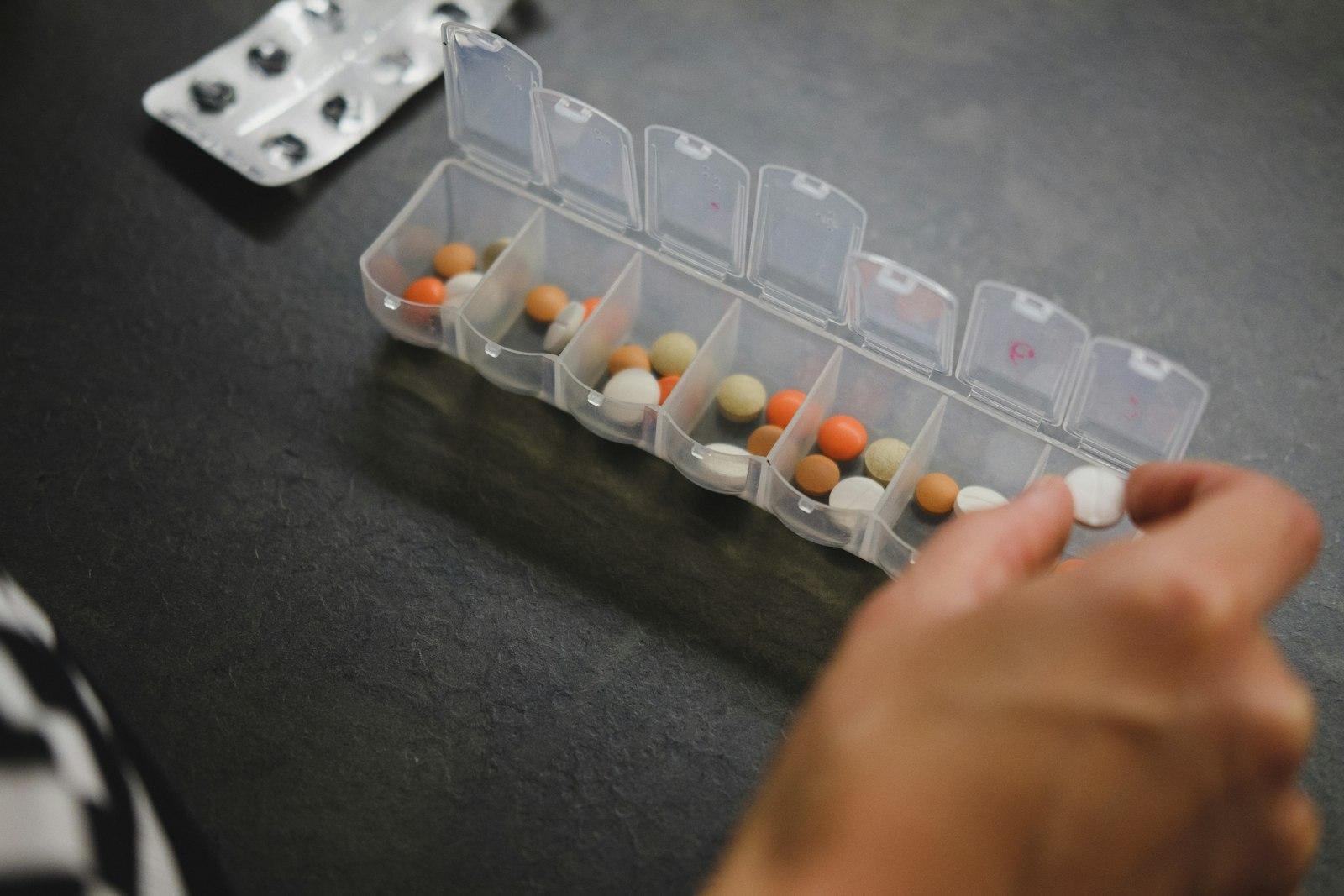
Missed doses: why it happens and how to stop forgetting your medication
A missed dose on a long-term treatment is never trivial. The most common causes, the right reflexes, and free reminders in the Yadoct app.
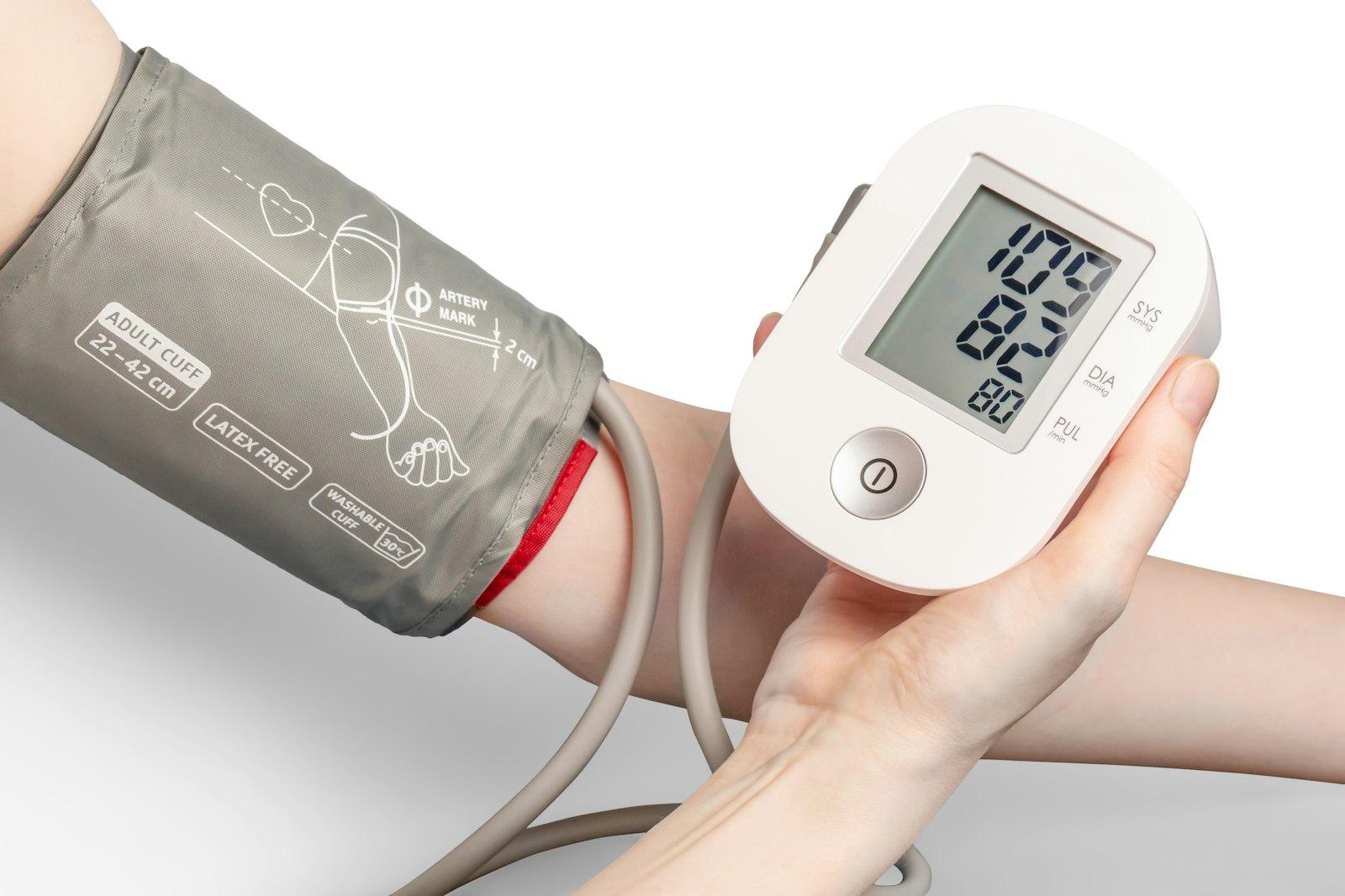
Blood pressure: understanding your numbers and following up on hypertension in Algeria
One Algerian adult in four has high blood pressure, most without regular follow-up. What your numbers mean and why regular check-ups change everything.
Looking for a Doctor? Book your appointment and experience priority care.

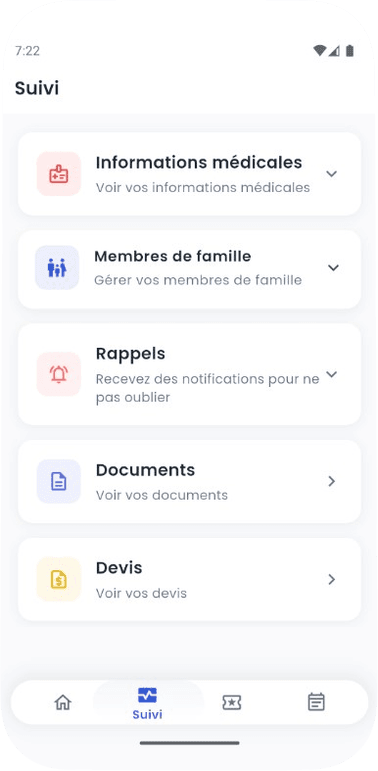

All your health needs, in one place