Diabetes in Algeria: Living Well with the Disease Day to Day
Diabetes is one of the most widespread chronic diseases in Algeria. Medical follow-up, diet, warning signs: the essentials to keep it under control.
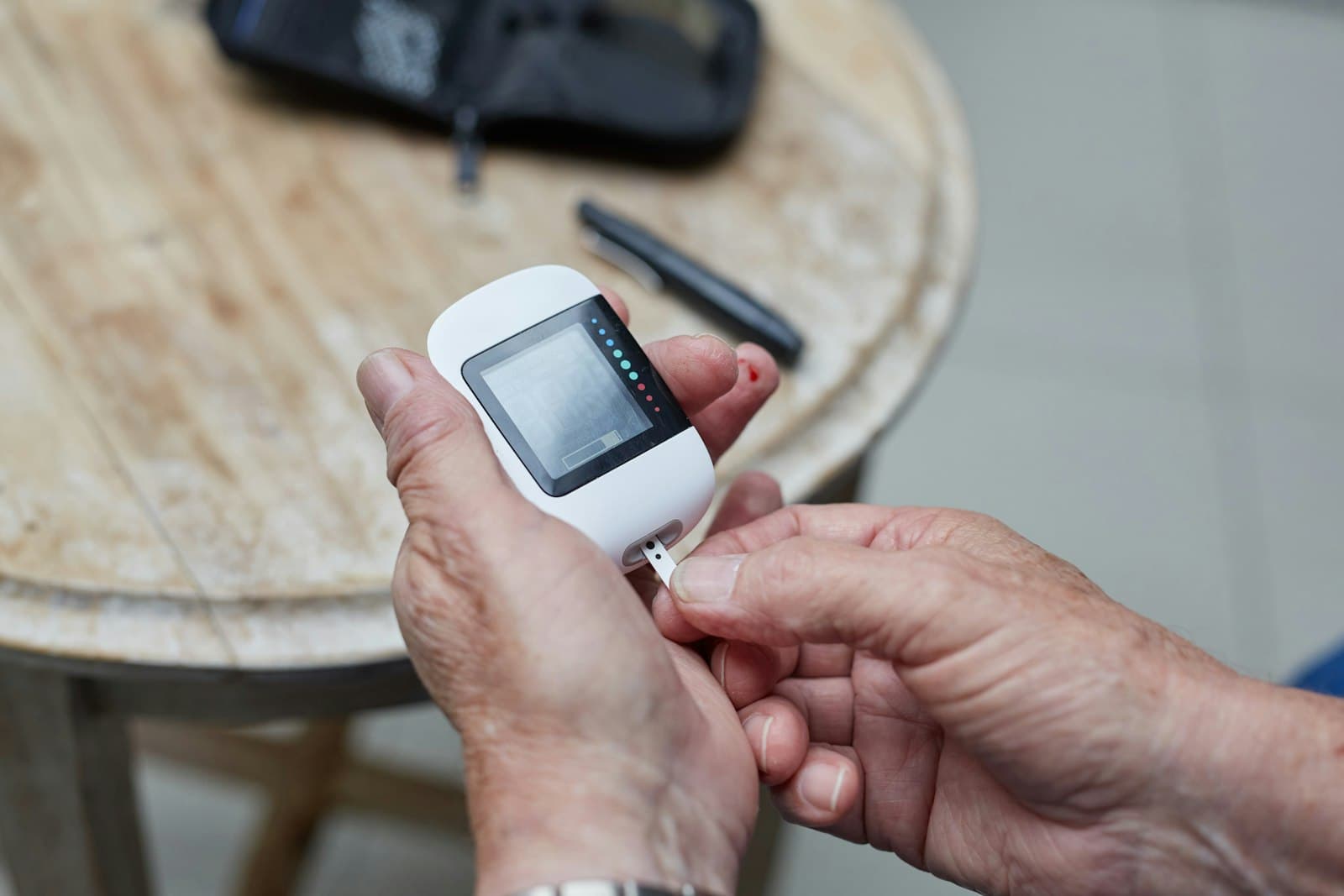
Diabetes is one of the most widespread chronic diseases in Algeria, and many families live with it every day. Well controlled, it allows a normal life; neglected, it exposes you to serious complications — eyes, kidneys, heart, feet. The difference comes down to regular follow-up.
Medical follow-up: the backbone of treatment
- Regular consultations: your doctor adjusts the treatment as your blood sugar evolves — never change the doses on your own.
- Glycated hemoglobin (HbA1c): this test, usually checked every three months, reflects how balanced your diabetes has been over time.
- Once a year: an eye exam, a kidney check and a careful examination of the feet.
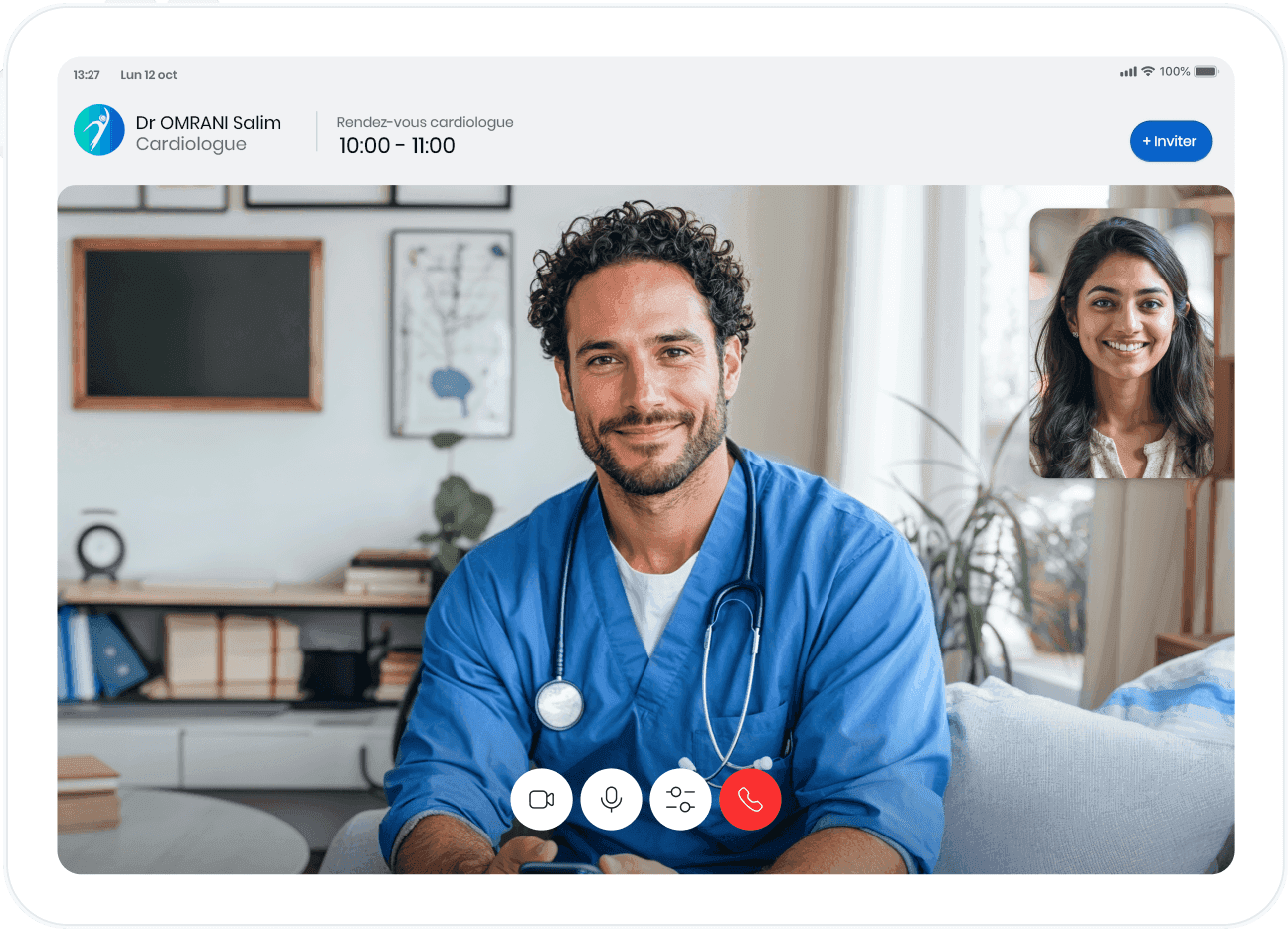
The hardest part is keeping that rhythm over the years. Booking appointments online makes regularity easier, and some routine check-ins can be done by teleconsultation.
The Algerian plate, diabetes edition
No need to give up our cuisine — it is mostly a matter of proportion: favour vegetables and pulses (lentils, chickpeas), go easy on white bread and refined starches, limit sodas and sweetened juices, and keep honey pastries for special occasions, in small amounts. A daily walk, even thirty minutes, genuinely helps regulate blood sugar.
Chifa coverage
Diabetes is among the chronic diseases that qualify for reinforced health-insurance coverage with the Chifa card. Ask your CNAS or CASNOS office how to assert your rights — a well-prepared file considerably lightens the cost of treatment.
Signs that should get you to a doctor quickly
- Intense thirst, frequent urination or unusual fatigue despite treatment.
- Shaking, sweating, feeling faint: a hypoglycemia episode corrects quickly but should be reported to your doctor if it recurs.
- A foot wound that heals poorly, however small.
- Vision problems.
Living with diabetes or newly diagnosed? Find a doctor near you and set up regular follow-up: it is the best investment for the years ahead.
Frequently asked questions
How often should HbA1c (glycated hemoglobin) be checked?
This test is usually checked every three months. It reflects how balanced your diabetes has been over time, and it is your doctor who adjusts the treatment as your blood sugar evolves.
What tests does a person with diabetes need every year?
Once a year: an eye exam, a kidney check and a careful examination of the feet. Booking appointments online helps keep that rhythm over the years.
Is diabetes covered by the Chifa card?
Yes, diabetes is among the chronic diseases that qualify for reinforced health-insurance coverage with the Chifa card. Ask your CNAS or CASNOS office how to assert your rights.
When should a person with diabetes see a doctor quickly?
In case of intense thirst, frequent urination or unusual fatigue despite treatment, shaking and sweating that recur, a foot wound that heals poorly, however small, or vision problems. Find a doctor near you to set up regular follow-up.
This article is published for general information and is not a substitute for a medical consultation. If you have any doubt about your health or your child’s, see a doctor.

Ramadan and Health: Fasting Without Endangering Yourself
Diabetes, hypertension, daily treatments: how to approach the month of Ramadan with peace of mind, and which signs should lead you to break the fast.
Childhood Vaccination in Algeria: The Parents' Guide
Vaccination schedule, health record, fever after the shot, catching up after a delay: what every parent in Algeria should know about vaccination.

Doctor appointment booking platform in Algeria: how to list your practice on Yadoct
What a doctor booking platform does for a practice in Algeria, what Yadoct is, how to register, how requests are confirmed, the cost — and how patients book.
Looking for a Doctor? Book your appointment and experience priority care.

All your health needs, in one place